 |
 |
 |
 |
 |
 |
 |
 |
 |
|||
 |
 |
|
|||||||
 |
|||||||
 |
|||||||
 |
|||||||
 |
|||||||
|
|||||||






|
||||||
 |
||||||
 |
||||||
 |
||||||
|






 |
 |
 |
 |
 |
 |
 |
extended warranty for used auto essentials and everyday clarityWhy people consider itFrom the service counter's vantage point, I've watched drivers trade repair uncertainty for a dose of convenience. An extended plan can turn a big surprise bill into a smaller, planned cost. That rhythm fits busy weeks and tighter budgets.
What it can coverCoverage tiers vary, and the exact wording matters.
Extras often include towing, rental reimbursement, fluids, and diagnostics - sometimes, not always. Details decide. A quick street-level momentOn a rainy Tuesday, a well-kept sedan limped in with a dead alternator, six months after purchase. The plan approved parts and labor after a $100 deductible. Paperwork took minutes; the driver grabbed a coffee, hopped into a rental, and got to work on time. Costs, deductibles, and claimsPlans charge upfront or monthly. Deductibles may be per visit or per repair item. Some contracts have waiting periods or mileage limits before benefits start.
Realistic check: keep maintenance records and follow factory schedules. Missing oil changes, pre-existing problems, or wear items like brake pads can mean a denied claim. How to judge fitNot every used car needs one. The fit depends on your miles, your commute, and how long you'll keep the car.
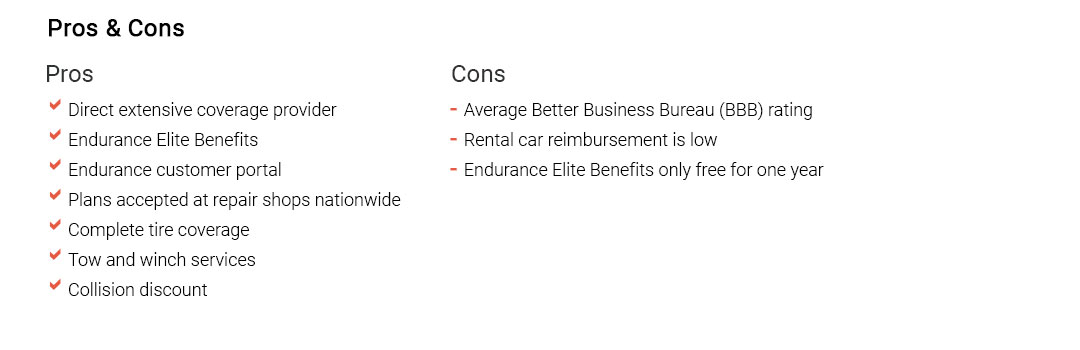
Pros and trade-offs
Shopping notes without the hard sellRead the actual contract, not just a brochure. Compare apples to apples.
Small math breakSay a plan costs $2,000 with a $100 deductible. If you face a $1,200 AC repair and an $800 sensor cluster, your out-of-pocket could be $200 after approvals. Even near break-even, the value might be the smooth scheduling, rental coverage, and zero haggling on parts prices. If you skip the planSet aside a repair fund, keep digital receipts, and follow maintenance intervals. For convenience, pair it with roadside assistance and a trusted local shop. Closing observationThe extended warranty for used auto isn't magic; it's a tool. If the contract language mirrors how you actually drive and maintain your car, it can trade volatility for calmer mornings. One last realistic check: before a tow, verify your shop is authorized and the claim line is open, so the help you paid for is ready when you arrive.
Main Topic:
Extended Auto Warranty
https://www.maguirecars.com/extended-warranty-used-cars-ithaca-ny.htm
Better yet, we make a promise to you, too. If you don't completely fall in love with the pre-owned car you're driving, it can be exchanged for another within 30 ... https://www.cars.com/car-warranty/money/best-extended-car-warranty-plans/
An extended car warranty is a type of insurance policy that covers the cost of repairs and replacement of certain vehicle parts after the ... https://www.marketwatch.com/insurance-services/car-warranty/used-car-warranties/
Vehicle transferability: Having an extended warranty on your used vehicle might increase the resale value of your vehicle if you decide to sell ...
|
